In many industrial and commercial operations, having access to the right voltage isn’t just convenient, it’s critical. Whether you’re running imported machinery or managing legacy infrastructure, step-down transformers are essential to delivering stable power.
At Southern Electronic Services, we specialise in manufacturing 3-phase step-down auto transformers, designed to meet the demands of industrial environments across Australia.
In this guide, we’ll explain what these transformers and how to select the right setup for your project.
What is a Step-Down Transformer?
A step-down transformer reduces voltage from a higher level to a lower one, making it suitable for equipment designed to operate at a specific voltage.
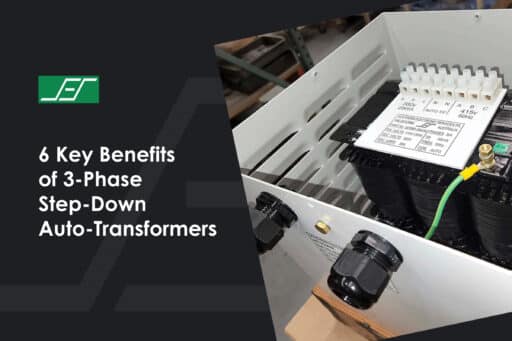
In 3-phase applications, this is typically done using an auto transformer, which offers a cost-effective method of voltage conversion when isolation between input and output isn’t required.
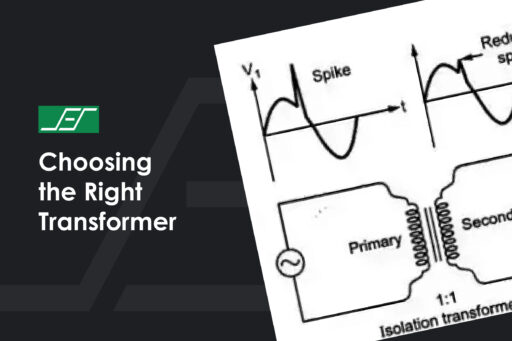
Unlike isolation transformers, which have separate primary and secondary windings, auto transformers use a single, common winding to step down voltage. This design makes them smaller and lighter, ideal for industrial applications where space, cost, and performance matter.
Common Applications for 3-Phase Step-Down Transformers
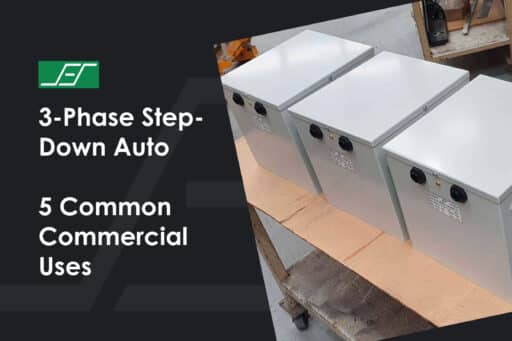
SES 3-phase step-down auto transformers are trusted across a range of industrial and commercial environments, including:
- Imported machinery requiring non-standard voltages
- CNC equipment and automation lines
- HVAC, refrigeration, and cooling systems
- Data centres, switchboards, and power distribution panels
- Commercial equipment, such as in laundries, car washes, bakeries, and kitchens
- Manufacturing plants and production facilities
Whether you’re powering a car wash or a control cabinet, our transformers ensure voltage conversion is tailored to suit your operation.

Typical Step-Down Transformer Setups
Every site is different, and so are the voltage levels in use. Here are some of the common 3-phase step-down configurations we supply:
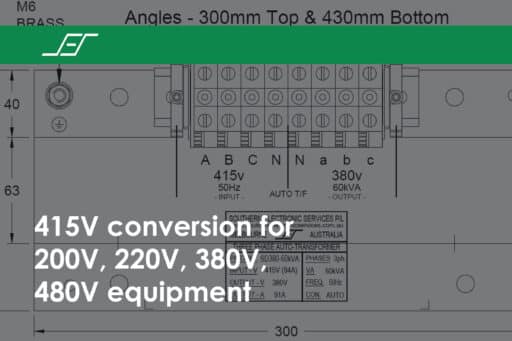
415V to 200V – 25kVA to 100kVA
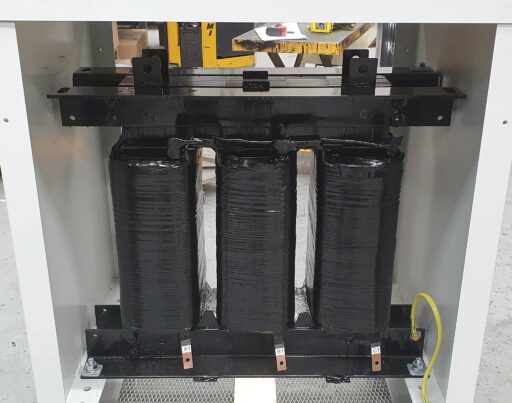
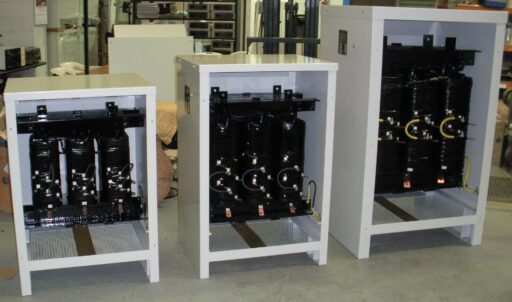
Our SD220 units are open-type, three-phase auto transformers. They are common in facilities running European or Asian equipment that requires 220V (line-to-line).
480V to 400V – 30kVA to 500kVA
Designed for imported American machinery being used on Australian networks.
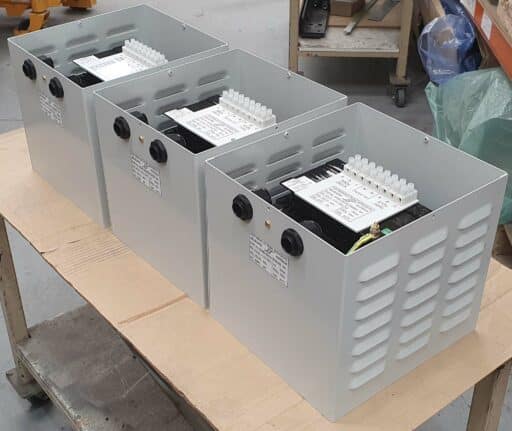
All of our step-down transformers are locally manufactured and can be customised for enclosure type, mounting style, cable entry, and protection features.
Why Choose SES Step-Down Auto Transformers?
SES transformers are built for reliability, engineered to comply with Australian Standards, and backed by decades of technical experience. Here’s what sets them apart:
Proven Efficiency
Our auto transformers are designed to be compact, making them ideal for space-constrained installations such as switch rooms or control panels. This means you don’t have to compromise on performance, even in tight spaces.
Their lightweight design also makes handling and installation simpler, saving time on site.
2. Fast Lead Times
We manufacture all our step-down transformers in-house, which allows us to deliver fast turnaround times, even on complex or fully custom builds, so your project stays on schedule.
With fewer delays and no reliance on offshore suppliers, we help you keep operations moving.
3. Built to Last
Our transformers are precision-engineered using high-grade materials and trusted construction methods to ensure long-term durability, even in demanding industrial environments.
Every unit is built with reliability in mind, reducing the risk of failure or costly downtime.
4. Tailored to Fit
Need a custom voltage tap? Wall-mount enclosure? Switchgear included? We work closely with you to design and build step-down transformers that meet your exact installation and operational requirements.
No matter how specific your needs, we’ll deliver a solution that’s practical, efficient, and ready to install.
5. Safe and Compliant
SES transformers are fully tested and designed to meet AS/NZS standards, giving you peace of mind when it comes to electrical safety, performance, and regulatory compliance.
We stay up to date with the latest industry regulations, so you don’t have to.
Key Factors to Consider Before Buying
To select the right 3-phase step-down transformer, we recommend reviewing the following:
- Input and output voltage levels
- Total kVA required
- Frequency (typically 50Hz in Australia)
- Note on frequency: Most 60Hz equipment can operate on Australia’s 50Hz supply; however, it’s recommended to check with the manufacturer.
- Environmental conditions (IP rating, temperature, ventilation)
Need help? Our engineers are here to guide you through the process.
Get Expert Advice From SES
With over 50 years of experience, Southern Electronic Services is your trusted partner in 3-phase step-down transformer solutions.
Whether you need a standard setup or a fully custom design, we’ll help you get the power conversion solution that works, on time, and to specifications. Explore our range or contact us today for a quote.
Get the Latest in Power Transformer Solutions
Get industry insights, product updates, and exclusive offers