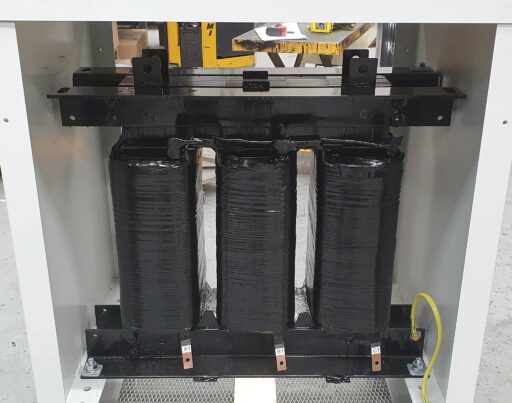
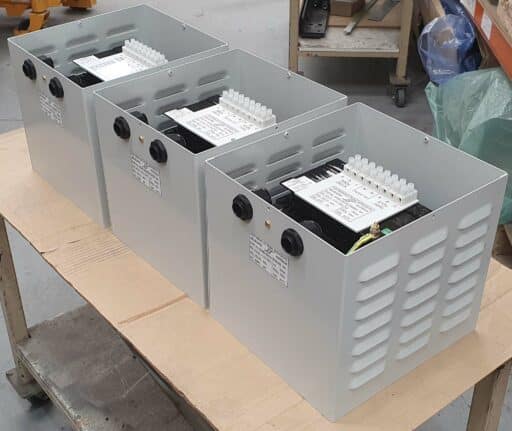
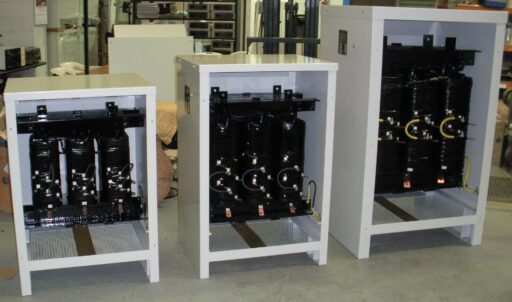
Transformers play a vital role in our daily lives, especially in our homes. They are essential devices that transfer electrical energy from one circuit to another, making it possible for us to use electrical appliances and devices at the right voltage.
In this blog post, we’ll explore the various ways that transformers are used in homes.
Home Uses for Transformers
Here are some ways that transformers are used in homes:
1) Power Distribution
In homes, electricity is distributed at a high voltage to reduce power loss. The transformers used for this purpose are called step-down transformers.
These transformers convert high voltage, low current power from the power grid into low voltage, high current power that can be used by household appliances.
Step-up transformers, on the other hand, are used to step up the voltage of electricity generated by a generator or a renewable energy source to be compatible with the grid’s voltage.
2) Voltage Regulation
In addition to power distribution, transformers are also used for voltage regulation. Automatic voltage regulators are used to regulate the voltage supplied to our homes, ensuring that it stays within an acceptable range.
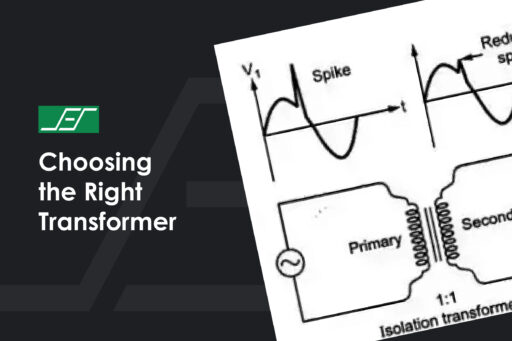
Isolation transformers, on the other hand, are used to isolate electronic equipment from the power source, protecting them from voltage spikes and surges.

3) Audio and Video Equipment
Transformers are also an essential part of audio and video equipment. They help to match the impedance of speakers, amplifiers, and other components so that they can work together properly.
In addition, transformers are used to convert alternating current (AC) from the power source into direct current (DC), which is required by most electronic devices.
4) Lighting
Transformers are also used for lighting in homes. Low-voltage lighting systems use transformers to convert the high-voltage power from the grid into a lower voltage that is safe to use for lighting.
5) Doorbells
Many doorbells include a low-voltage transformer to convert the 120-volt house current down to the lower voltage required by the doorbell chime and push button.
6) HVAC Systems
Transformers also play an important role in HVAC systems. The transformers used in these systems help to regulate and monitor the voltage, current, and temperature in the system. In addition, they provide power to motors that are used by fans and other components of the system.
Conclusion
Transformers are essential devices that play a critical role in our daily lives, especially in our homes. From power distribution to voltage regulation and from audio and video equipment to lighting and HVAC systems, transformers are used in a variety of applications in our homes.
By understanding the different types of transformers used in our homes, we can appreciate their importance and ensure they function optimally.
At Southern Electronics, we offer a wide range of transformers for residential and commercial applications. Contact us today to learn more about our products and services.
Get the Latest in Power Transformer Solutions
Get industry insights, product updates, and exclusive offers