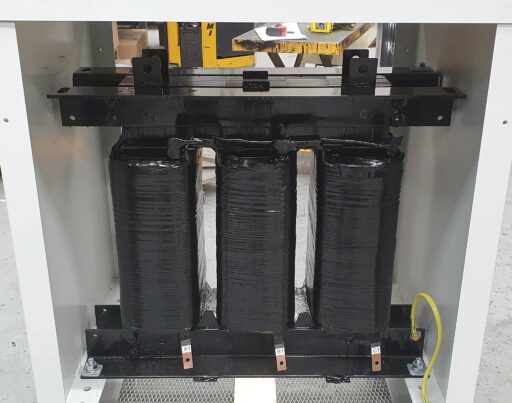
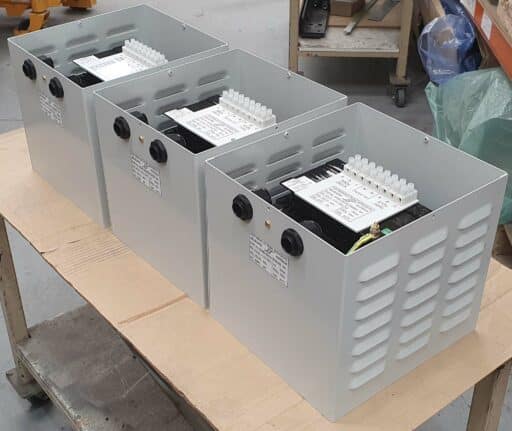
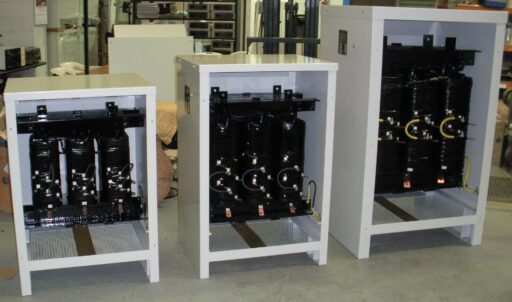
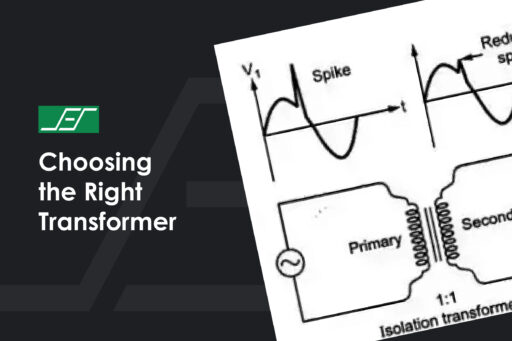
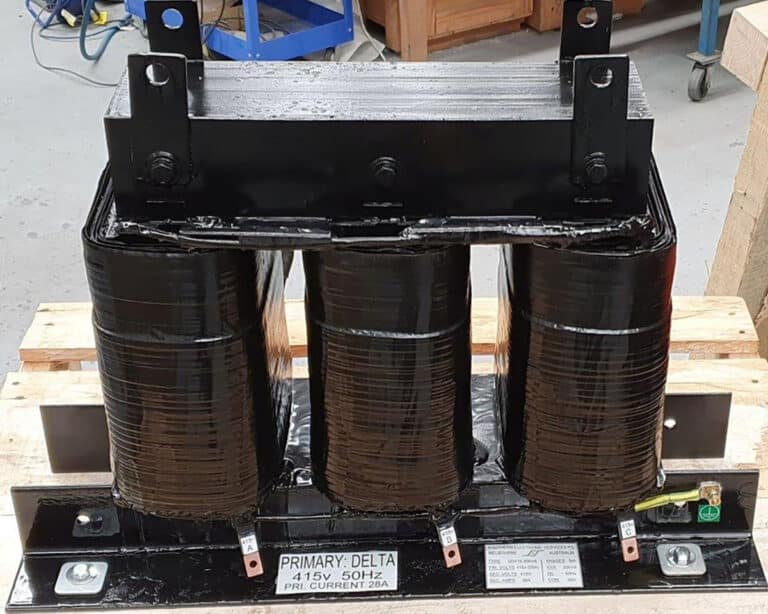
Isolation transformers are essential components of electrical systems designed to reduce the risk of electric shock and other power disturbances. They provide a safe connection between two circuits, isolating one from the other while allowing electrical energy to be transferred.
Isolation transformers can also help protect sensitive equipment by providing a measure of insulation against voltage spikes or surges caused by lightning strikes, short-circuiting, or other incidents.
Why Do You Need an Isolation Transformer?
Here are some common use cases for isolation transformers:
1) Electrical Safety:
Isolation transformers are often used in medical facilities, laboratories, and other environments where electrical safety is crucial. They provide a barrier of isolation between the power source and the connected equipment, reducing the risk of electrical shocks and improving overall safety.
2) Grounding Issues:
In situations where there are grounding problems, such as floating or ungrounded electrical systems, isolation transformers can be used to isolate the electrical circuit from the ground. This helps prevent ground loops and eliminates the risk of electrical noise or interference.
3) Noise Reduction:
Isolation transformers can effectively mitigate electrical noise, also known as electromagnetic interference (EMI) or radio-frequency interference (RFI). By isolating the connected equipment from the power source, they provide a clean and stable power supply, reducing noise and improving the performance of sensitive electronics.
4) Surge Protection:
Isolation transformers can act as a line of defence against power surges and transient voltage spikes. They provide an additional layer of protection by isolating the equipment from the main power supply, limiting the impact of voltage fluctuations and surges.
5) Isolated Power Supplies:
In certain applications, such as audio systems, telecommunications, or industrial equipment, isolation transformers are used to create separate and independent power supplies. This ensures that noise, voltage fluctuations, or faults in one system do not affect or interfere with other connected devices.
6) Equipment Testing:
Isolation transformers are commonly used in equipment testing and calibration procedures. By isolating the equipment under test from the main power supply, they provide a controlled and stable power source, enabling accurate and reliable testing results.
7) Sensitive Electronics:
Isolation transformers are beneficial for protecting sensitive electronic equipment, such as computers, servers, audio/video systems, or telecommunications devices. They help prevent voltage spikes, electrical noise, and ground-related issues, ensuring the longevity and proper functioning of the connected equipment.
8) Voltage Conversion:
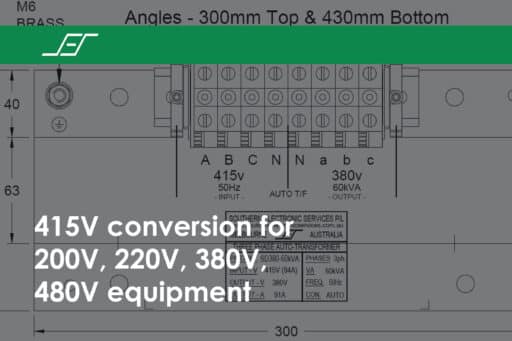
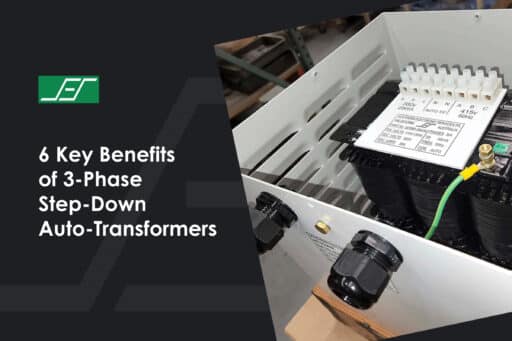
Isolation transformers can be used for voltage conversion purposes. For example, they can be employed to step up or step down voltage levels while providing isolation between the input and output circuits.
9) Renewable Energy Systems:
Isolation transformers play a vital role in connecting renewable energy sources, such as solar panels or wind turbines, to the main power grid. They provide isolation, grounding, and protection, ensuring the safe and efficient integration of renewable energy systems.
10) Data Centers:
In data centre environments, where uninterrupted power supply (UPS) systems are employed, isolation transformers are used to provide isolation and protect critical IT equipment from power anomalies, such as voltage fluctuations or harmonics.
Why You Should Trust Southern Electronic Services?
At Southern Electronic Services, we have over 40 years of experience providing transformer services and solutions. Our team has the knowledge and expertise to help you select and build the ideal transformer for your needs, from single-phase applications to three-phase systems. We offer a full range of products, from standard off-the-shelf units to custom-designed solutions. We are committed to providing the highest quality product and customer satisfaction, so you can trust that your transformer will be reliable and fit your exact needs.
Conclusion
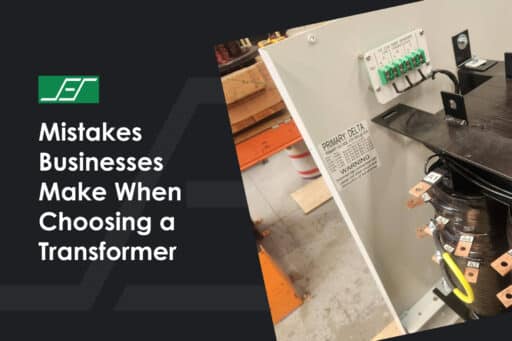
It is important to consider specific requirements, such as voltage ratings, power capacity, and regulatory standards, when selecting and implementing isolation transformers for different applications. Consulting with a qualified electrician or engineer is recommended to ensure proper installation and adherence to safety guidelines.
At Southern Electronic Services, we are dedicated to providing high-quality isolation transformers and other electrical products for industrial, commercial, residential, and renewable energy applications. Our experienced team of engineers can provide assistance with product selection, installation, and maintenance.
Get the Latest in Power Transformer Solutions
Get industry insights, product updates, and exclusive offers