
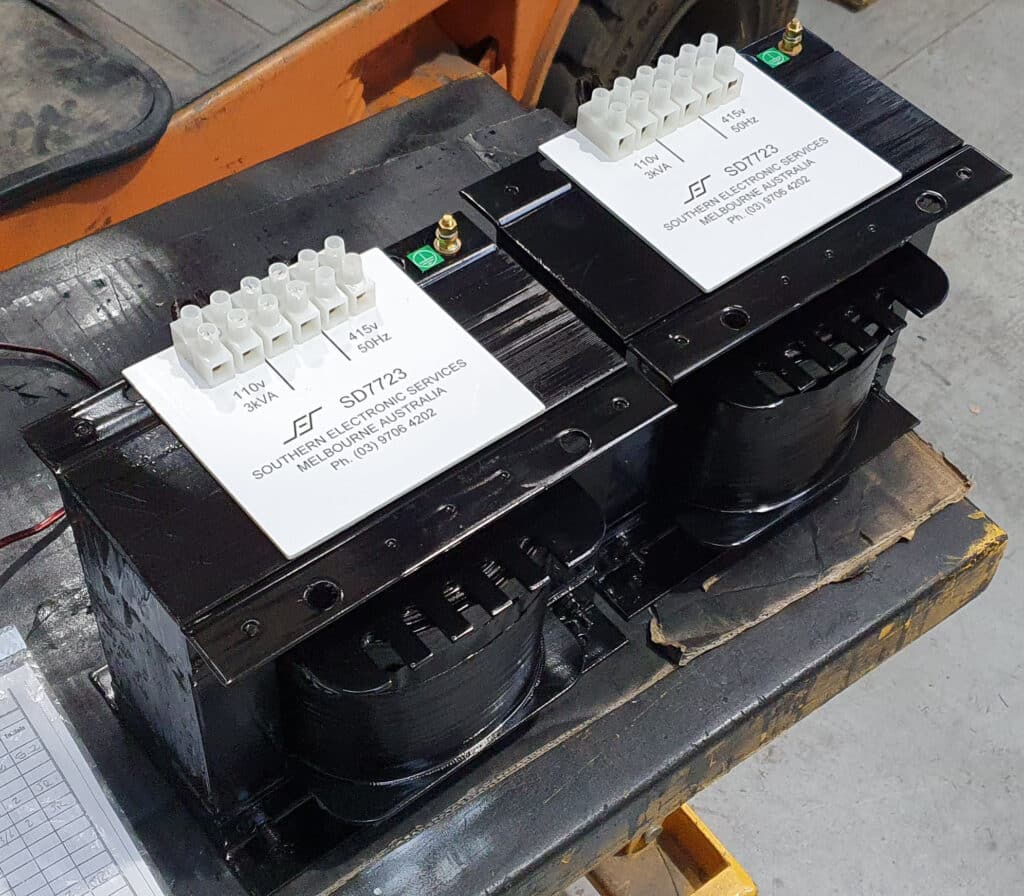
Transformers are essential components of the electrical system. They play a major role in providing power to our homes, businesses, and other establishments.
Here are 11 things that everyone should know about electrical transformers:
1) Function:
Electrical transformers are devices that transfer electrical energy between different voltage levels while maintaining frequency.
2) Voltage Transformation:
Transformers can step up or step down voltage levels. Step-up transformers increase voltage from the input (primary) side to the output (secondary) side, while step-down transformers decrease voltage.
3) Core and Windings:
Transformers consist of a magnetic core made of laminated steel and two sets of insulated wire windings. The primary winding receives electrical energy, while the secondary winding delivers the transformed voltage.

4) Turns Ratio:
The turns ratio of a transformer determines the voltage transformation ratio. It is the ratio of the number of turns in the primary winding to the number of turns in the secondary winding.
5) Power Transfer:
Transformers facilitate the transfer of electrical power from one circuit to another. They do not generate power but efficiently transmit electricity by minimising losses during the transformation process.
6) Efficiency:
Transformers are designed to have high efficiency, meaning they convert electrical energy with minimal losses. Efficient transformers help reduce energy wastage and improve overall power system performance.
7) Types of Transformers:
There are various types of transformers, including power transformers, distribution transformers, autotransformers, isolation transformers, instrument transformers (such as current transformers and voltage transformers), and more. Each type serves specific functions in electrical systems.
8) Cooling Systems:
Transformers generate heat during operation, and cooling systems are employed to dissipate that heat. Common cooling methods include natural convection, forced air, oil-immersed cooling, and liquid cooling.
9) Transformer Efficiency Standards:
Transformers are subject to efficiency standards and regulations to promote energy efficiency and reduce environmental impact. Standards such as the Energy Star program and International Electrotechnical Commission (IEC) standards provide guidelines for transformer efficiency levels.
10) Electrical Safety:
Transformers must be installed, operated, and maintained with strict adherence to electrical safety guidelines. Proper grounding, insulation, and routine maintenance are essential to prevent electrical hazards and ensure the safety of personnel and equipment.
11) Life Cycle and Maintenance:
Transformers have a long life cycle if properly maintained. Regular inspections, oil testing (for oil-filled transformers), cleaning, and preventive maintenance ensure optimal performance and extend the lifespan of transformers.
Conclusion
Understanding these key aspects of electrical transformers is essential for their correct selection, installation, and operation. Consulting with qualified professionals and adhering to local electrical codes and regulations is important for safe and efficient transformer usage.
At Southern Electronics Services, we specialise in transformer sales, installation, maintenance, and repair. Our experienced team of professionals can help you with all your transformer needs.
Contact us today to learn more about our services!
Get the Latest in Power Transformer Solutions
Get industry insights, product updates, and exclusive offers
Any More Questions?
To help us provide you with the best solution to your needs please contact us
Next Post
Why Do You Need an Isolation Transformer?
April 25, 2023Other News
The Lifecycle of a 3 Phase Transformer
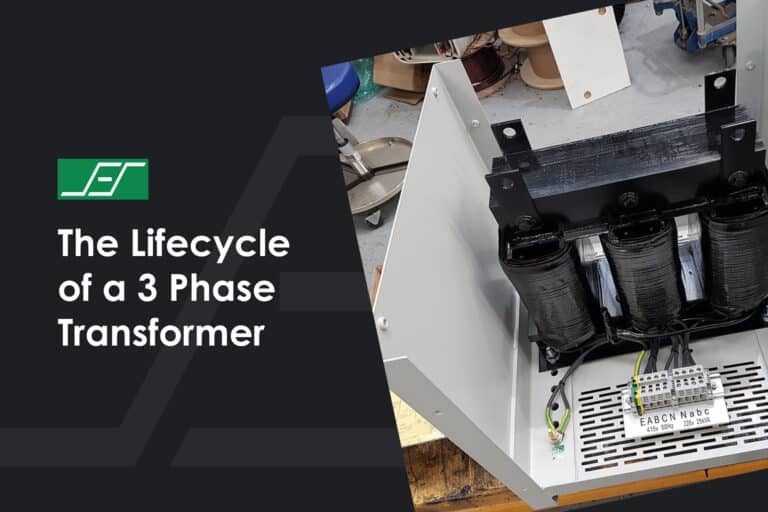
3-phase transformers are incredibly useful; they allow businesses to distribute power efficiently, safely, and reliably across large or complex systems. By converting voltage levels and balancing electrical loads, they help machinery run smoothly, reduce energy losses, and prevent costly downtime. But how do they work, and what can you expect from their lifecycle? In this…
3-Phase Transformer 415V Conversion | 200V, 220V, 380V, 480V
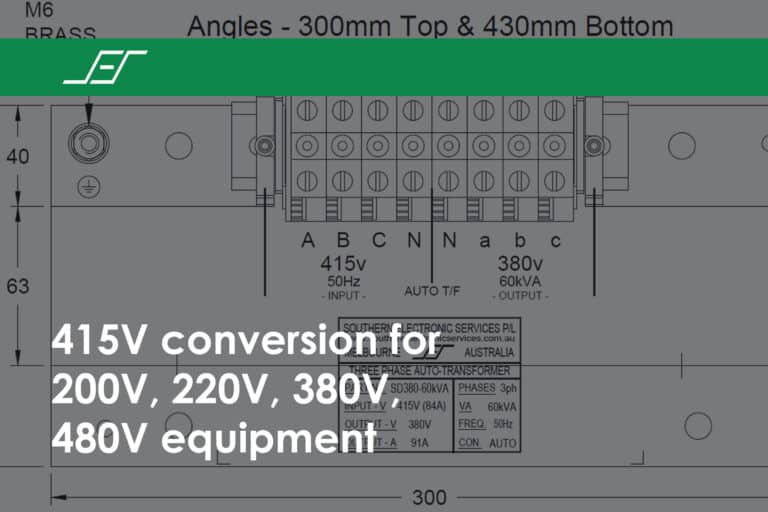
Powering Global Equipment Locally: SES’s Recent 3-Phase Auto 415V Conversion Solutions With global availability to electrical equipment, but need to run the machinery in Australia, you require a 415V conversion solution. When global machinery meets local power conditions, compatibility is key. At Southern Electronic Services, we specialise in 3-phase step-down auto transformers that bridge voltage…